
Why your pet needs more than just a Rabies shot
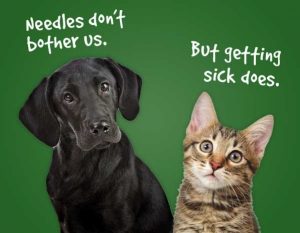
When discussing pet vaccinations with clients, rabies often comes to mind first. Rabies is a serious disease and a public health concern, which is why the vaccine is legally required. In the past, rabid dogs posed a significant danger until mandatory vaccinations were enforced. Many counties have rabies officers who may go door to door, requesting rabies certificates as proof of vaccination (the tag alone isn’t sufficient—they’ll need the actual certificate signed by a licensed veterinarian). While the rabies vaccine is crucial, there are several other vaccines and tests that should be included in your pet’s annual vet checkup.
The Physical Exam
An annual physical exam by a licensed veterinarian is one of the most important things for your pet’s health. Since pets can’t tell us when something’s wrong, and often don’t show signs of illness until it’s serious, these exams are essential. Many illnesses can be detected during a vet’s thorough check-up, where they evaluate the skin, coat, eyes, ears, mouth, teeth, gums, heart, lungs, joints, muscles, and abdomen. Through abdominal palpation, the vet can identify areas of pain, discomfort, masses, or tumors, and ensure organs are normal in size and shape. Veterinarians undergo extensive training to perform these exams, and their expertise is irreplaceable.
Parasite Testing
Fecal and heartworm testing should be included in your pet’s annual vet visit to ensure they’re free of parasites. While many assume these tests aren’t necessary if their pet is on a monthly parasite prevention product, annual testing is important to confirm the product’s effectiveness and that your pet is actually receiving it. Pets might sometimes vomit up tablets outdoors without anyone noticing. Preventatives purchased from your vet (or their online pharmacies) come with a guarantee, covering treatment if your pet tests positive. However, this guarantee only applies if you have proof of purchase from a licensed veterinarian and proof of annual testing.
Bloodwork & Urinalysis
Blood work and urinalysis allow your veterinarian to detect hidden health issues before they show clinical signs, even if they aren’t visible during a physical exam. These tests are available for pets of any age and can provide a baseline for young, healthy dogs to compare in the future. They are especially crucial for aging pets. Lab work often reveals problems early, enabling timely intervention with medications, supplements, or special diets to delay symptoms. We offer in-clinic lab testing with results available in minutes, or more affordable options by sending samples to a reference lab. There are various panels to suit different budgets.
Vaccines
There are several other vaccines your vet may recommend based on your dog’s lifestyle. Pets are at risk of various viruses and diseases just from being outdoors, even if it’s only to use the bathroom. For instance, parvovirus can live in soil and remain active for at least seven years. Coyotes, which often carry parvo and distemper, are increasingly found in suburban areas, along with stray dogs. Booster vaccines are crucial for full protection, especially against parvo, as a single vaccine won’t prevent a dog, particularly a puppy, from contracting it. Visiting grooming facilities, boarding kennels, pet stores, or dog parks exposes pets to contagious respiratory diseases like canine influenza or kennel cough. On the East Coast, dogs are highly vulnerable to Lyme disease without strict tick prevention. Cats need vaccines too, especially against feline leukemia if they go outdoors or encounter unfamiliar cats. They should also be protected from respiratory diseases like Rhinotracheitis, Calicivirus, and Panleukopenia. Feral cats, common in many areas, often leave parasites in yards and flower beds that pets can pick up, particularly if they eat feces. Monthly parasite prevention is essential to keep your pets safe.
Many people want to do what’s best for their pets, but often feel the costs are too high and decide against it. Think of these tests and vaccines as insurance for your pets. The expenses for treatment and diagnostics if they get sick far outweigh the cost of annual visits. Plus, no one wants to see their pet get sick. Some worry about vaccines being harmful, but while a few pets may be sensitive, your veterinarian can guide you on which vaccines are necessary. They might even suggest an antihistamine before vaccination to prevent reactions. Most pets, however, handle vaccines just fine. Always share your concerns with your veterinarian and trust them over Google advice. They’re dedicated to helping you and your pets live long, healthy, and happy lives.
Wag More, Bark Less,
Dr. Macie