
Does my dog really need a dental?? Is it absolutely necessary??
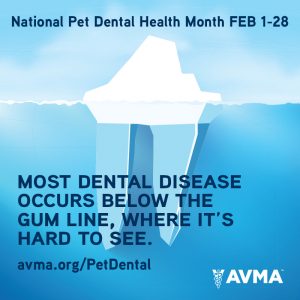
Hello Folks!! I get a bunch of questions about the dreaded “dental” and with it being February I though another blog on teeth was a great idea. So here you have……drum roll…… the most frequently asked questions about why we should clean your pets’ teeth.
Question: Why must my pet go under anesthesia for a dental cleaning? Can’t the groomer just scrape the tartar off of his teeth?
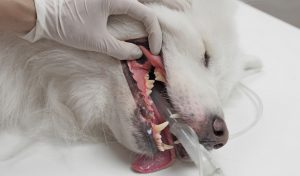
Tartar, composed of bacteria, can pose a risk during removal as small fragments might be inhaled, potentially causing a lung infection. This is why “non-anesthetic” cleaning is strongly discouraged. Anesthesia enables the placement of an endotracheal tube to protect the lungs from infection. Additionally, the most critical aspect of cleaning is removing plaque and tartar beneath the gumline, which isn’t feasible in an awake pet. Lastly, skipping polishing leaves the tooth surface rough, increasing plaque buildup over time.
Question: I am worried about my 13 year old dog undergoing anesthesia for a dental procedure. Is it possible for a dog to be “too old” to benefit from professional dental care? If she’s gonna die soon, why should I do it?
People sometimes share concerns about pets experiencing complications or even dying under anesthesia. Fifteen or twenty years ago, these worries were often valid reasons to avoid elective procedures for older pets. Thankfully, anesthesia for pets has become much safer in recent years.
Pre-anesthetic testing now helps identify underlying issues that might not be visible to owners. If a problem is discovered, it can often be addressed before anesthesia is administered. Modern inhalant gases are also much safer than solely using injectable agents, and the use of endotracheal tubes prevents lung contamination from oral or stomach contents.
Monitoring during anesthesia has greatly advanced, moving from simply watching for breathing to tracking pulse, oxygen levels, blood pressure, respiratory rate, temperature, and heart rhythm. This allows vets and technicians to quickly detect and address any abnormalities.
While clients may tire of hearing it, age itself is not a disease. Healthy older pets can handle anesthesia well and often require care, like dental treatments, to improve their quality of life. Managing their oral health is also key to extending their lifespan.
 Question: Why is cleaning my pet’s teeth more expensive than cleaning my teeth? Why is it more expensive than the last time his teeth were cleaned a few years ago?
The cost of pet dental care has risen due to advancements in anesthesia, cleaning, and services. Providing safe anesthesia and effective treatment to relieve pain and prevent disease progression requires specialized equipment like blood pressure monitors, fluid pumps, and ultrasonic scalers. Unlike humans, pets undergo anesthesia for cleanings, and our routine dental cleanings are typically preventative, performed before significant tartar builds up. Pets often receive dental care later, making their cleanings more akin to oral surgery than simple prevention. We do offer a Healthy Smile Discount- ask us if you pet qualifies!
Question: The doctor has recommended extraction of some of my pet’s teeth but will he still be able to eat without these teeth?
Our aim in veterinary dental care is to ensure our patients have mouths free from infection and pain. It’s far better to have no teeth at all than to live with an infected tooth, a root abscess, or a painful broken tooth. Many of our dog and cat patients thrive on a regular diet even with few or no teeth!
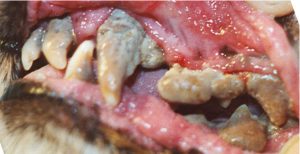 Question: I can’t tell that my pet is in any pain even though he has broken teeth and red inflamed gums. Wouldn’t he stop eating if he was in any pain?
Some pets may stop eating entirely when their teeth, bones, or gums hurt badly enough. However, most will find a way to keep eating, like chewing on the other side of their mouth or swallowing kibble whole. Pets have a strong survival instinct, even when they’re in discomfort. Sometimes the signs of periodontal disease are so subtle that we don’t notice them. Pets might avoid holding toys in their mouths, become less playful, resist tooth brushing, struggle to sleep, or show no symptoms at all. Often, after treating broken or infected teeth, pet owners report their pets seem more energetic and playful than they’ve been in years!
Question: How often should a routine dental cleaning be performed?
Every patient is unique, so this can be a tough question to answer. Smaller dogs typically need their teeth cleaned earlier and more frequently because their teeth tend to be more crowded. Larger dogs might not develop tartar as quickly, but their mouths should still be checked regularly for broken teeth. Cats are all different and should be carefully examined for excessive gingivitis, which could indicate specific feline conditions like resorptive lesions or stomatitis/gingivitis syndrome.
Question: How can periodontal disease hurt my pet? IS it really a big deal for my dog to have bad teeth?
The local effects of periodontal disease can include pain, infections in the gums, bone, or teeth, and even tooth and bone loss. Chronic infections in the periodontal tissues can allow bacteria to enter the bloodstream, potentially spreading to internal organs like the heart, kidneys, and liver, leading to severe infections.
A clean mouth is a healthy mouth. Take care of your pet’s teeth before the situation worsens to the point of needing extractions (which is much more expensive)! 🙂
Wag More, Bark Less,
Dr. Macie